How to Choose a Wig for Alopecia Patients | Salon Buyer’s Guide
How to Choose a Wig for Alopecia Patients: A Salon Buyer’s Guide
A client with alopecia is not shopping for a new look. She is looking for her old one back — or for something close enough that strangers stop noticing anything changed. As a salon owner or buyer, the wig you stock for her is not a fashion decision. It is a clinical-adjacent one, and getting it wrong costs you more than a refund. It costs you the client’s trust in your judgment.
This guide is written for salon buyers sourcing wigs for alopecia patients wholesale — what actually matters in construction, what questions to ask your supplier before you commit to a bulk order, and where most buyers get the sizing wrong the first time.
Start With the Scalp, Not the Hairstyle
Most fashion wig buying starts with hair — length, colour, texture. Buying for alopecia patients has to start with the scalp, because that is what the wig actually has to work with. Alopecia areata may leave patches of remaining hair. Alopecia totalis and alopecia universalis leave a fully bald, often smooth scalp with no natural anchor points at all. A wig base built for a client with some remaining hair will not perform the same way on a completely bald scalp, and stocking only one base type means turning away half your potential clients in this category.
The Three Base Options, Compared Honestly
Every wholesale supplier will tell you their base is the best one. Here is how the three main options actually compare for alopecia patients specifically:
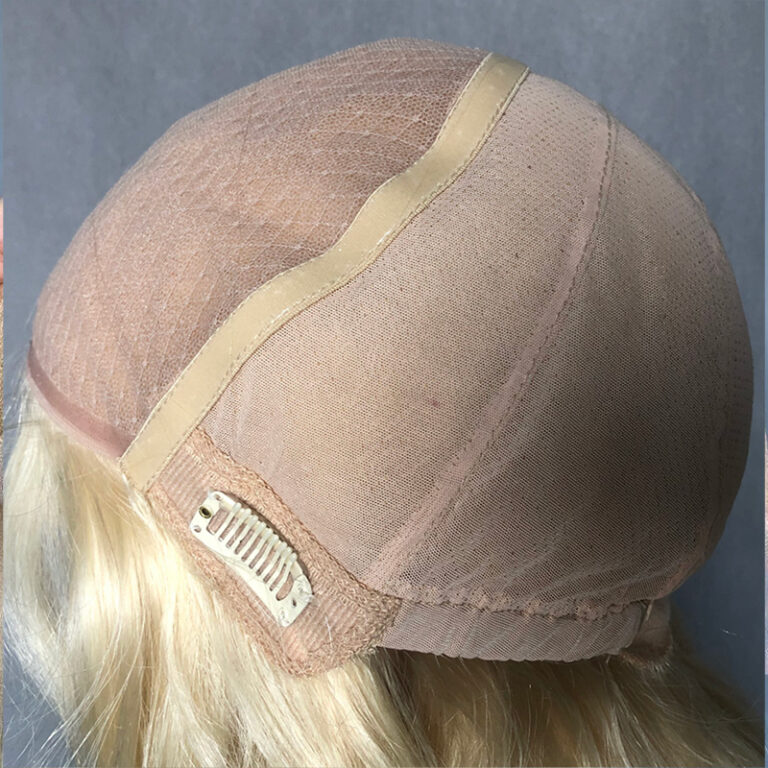
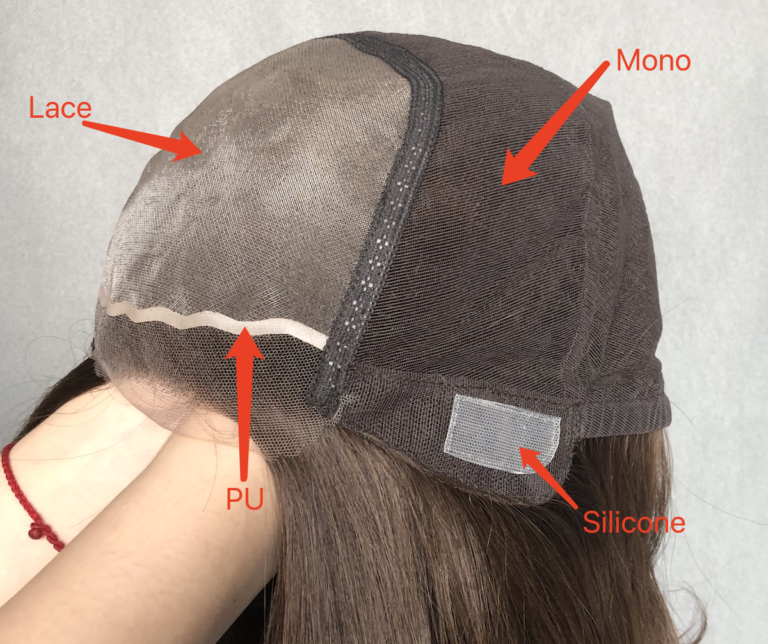
Silicone-lined base: The most common recommendation for alopecia patients with little or no remaining hair. The silicone strip grips the scalp directly through light suction and friction, without adhesive or clips. It holds securely through normal daily movement and is easiest for a first-time wig wearer to manage at home.
Full lace base: The most breathable option and the best choice for clients in warmer climates or those who report scalp sensitivity to heat. Styling versatility is excellent — hair can be parted anywhere. It typically needs adhesive or tape for a secure fit on a fully bald scalp, which adds a maintenance step some first-time clients find intimidating.
Monofilament base: A strong middle ground. Each hair is hand-tied through a fine mesh, giving a natural-looking scalp appearance while remaining more durable than lace under daily handling. Works well for clients who want low maintenance without sacrificing a natural part line.
If you are only able to stock one option to start testing this category, a silicone-lined monofilament combination covers the widest range of alopecia patients with the fewest returns — it is the configuration we recommend most often to salons entering this category for the first time. Our own medical wigs for alopecia patients are built around exactly this combination as the default configuration, with lace and pure silicone options available as custom orders.
Sizing: Where Most First Orders Go Wrong
Standard wig sizing assumes a head shape that has not changed. Alopecia patients — particularly those in or recovering from active treatment — often have. Scalp circumference can shift, and skin sensitivity is frequently higher than average, which means a cap that would fit comfortably on a fashion wig client can feel too tight within an hour on an alopecia client. Ask your supplier for adjustable strap sizing as standard, not as a paid upgrade, and confirm whether petite and larger cap sizes are available without a custom order minimum. This single detail prevents the majority of first-order sizing complaints.
Questions to Ask Before You Place a Wholesale Order
Before committing to a bulk order for this category, get clear answers on the following:
1. Is the base genuinely adhesive-free, or does it require tape for a secure fit? Some suppliers market a base as “medical grade” when it still needs adhesive to stay secure on a fully bald scalp. Ask directly.
2. What cap sizes are available, and is adjustment built in? A single fixed size is a red flag for this category.
3. Can colour be matched to a reference photo? Many alopecia clients want to match hair they had before treatment, not simply pick from a standard colour chart.
4. What is the minimum order to trial the category? A low MOQ lets you test demand before committing to a full colour and size range.
Why This Category Is Worth Building Into Your Salon
Clients buying wigs for medical hair loss are, on average, more loyal than fashion wig clients. They return for maintenance, they refer other clients in similar situations, and they choose expertise over price once they trust a supplier. Stocking even one well-chosen configuration — rather than a wide range you have not tested — is usually enough to start serving this client group properly.
Sourcing Wigs for Alopecia Patients Wholesale
Tenchee supplies silicone-lined, adhesive-free medical wigs in 100% human hair to salons and clinics worldwide, with custom sizing and colour matching available. Low MOQ, ships globally. See the full specification on our custom wigs for alopecia patients page, or contact our trade team for samples and wholesale pricing.